
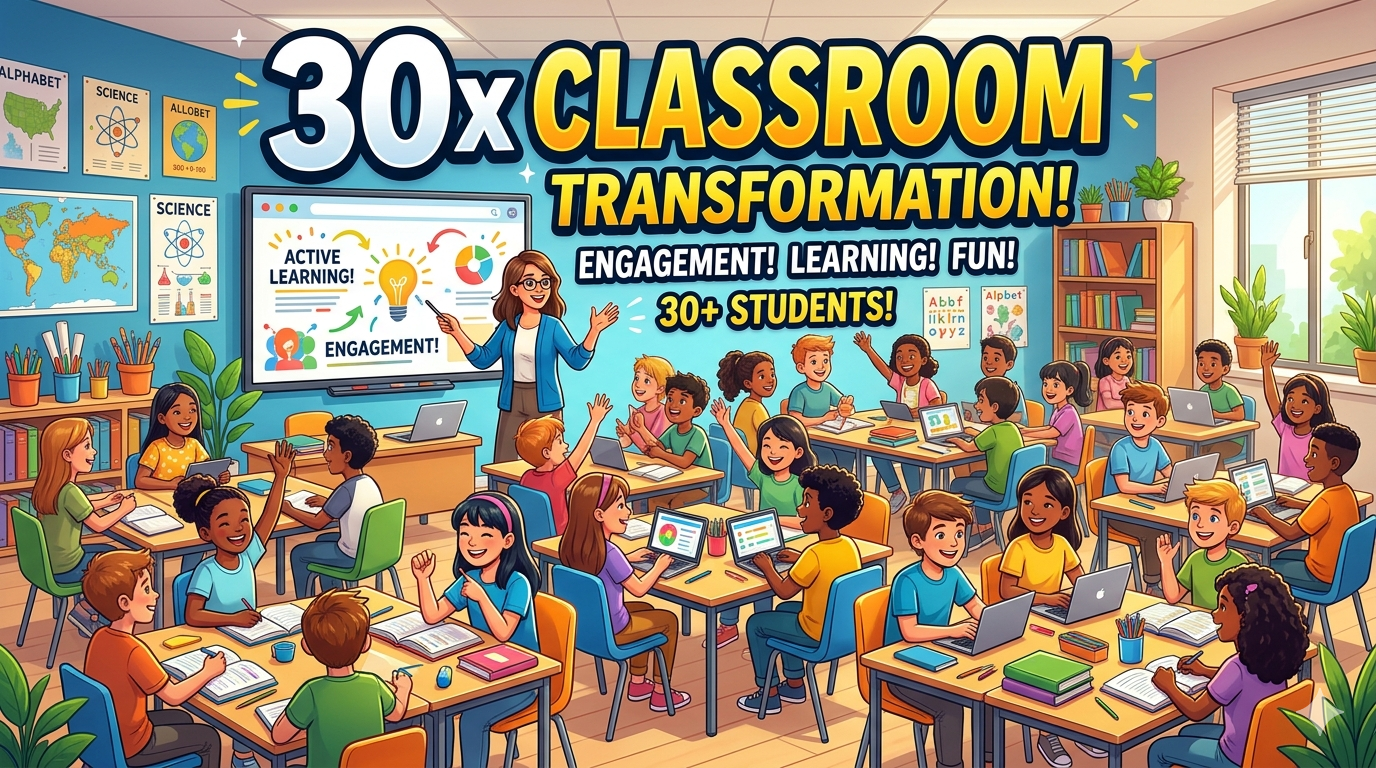
classroom 30x
Introduction
Education has changed dramatically over the last decade, and technology has become one of the biggest driving forces behind modern learning systems. Traditional classrooms are no longer the only way students gain knowledge. Digital tools, online platforms, and smart educational systems are transforming how teachers teach and how students learn. Among the growing trends in educational technology, classroom 30X has become an interesting concept associated with advanced and interactive learning environments.
The idea behind classroom 30X focuses on combining technology, collaboration, and innovative teaching methods to improve the educational experience. Modern students are growing up in a digital world, and schools are adapting to these changes by introducing smart classrooms, virtual learning systems, and interactive educational platforms.
Today’s learning environment is expected to be more flexible, engaging, and accessible than ever before. Students want learning experiences that feel interactive and personalized rather than repetitive and outdated. Teachers also need tools that help them manage lessons efficiently while keeping students interested and motivated.
Classroom 30X represents a shift toward a smarter educational future where technology supports creativity, communication, and deeper learning. This article explores the concept of classroom 30X, its impact on education, the technologies behind it, and why digital learning environments are becoming increasingly important in modern education systems.
Understanding the Concept of Classroom 30X
Classroom 30X can be understood as a next-generation educational model that combines modern technology with advanced teaching methods. Instead of relying entirely on traditional classroom structures, this approach focuses on creating interactive and student-centered learning experiences.
One of the core ideas behind classroom 30X is flexibility. Students learn in different ways, and modern educational systems must adapt to those differences. Some students learn better through visual content, while others prefer hands-on activities or digital interaction. Smart classroom systems help accommodate multiple learning styles more effectively.
Another important element is digital integration. Classroom 30X often involves the use of tablets, laptops, interactive displays, educational software, and online collaboration tools. These technologies help create a more engaging learning environment where students can actively participate rather than simply listen to lectures.
Collaboration is also a key feature of classroom 30X. Students are encouraged to work together through group activities, digital projects, and online communication platforms. This collaborative approach helps students develop teamwork and communication skills that are valuable in modern workplaces.
The concept also emphasizes accessibility. Digital classrooms make education more available to students regardless of their location. Online learning systems allow students to access educational materials, recorded lessons, and assignments from anywhere with an internet connection.
How Technology Is Transforming Education
Technology has completely reshaped the education industry. Traditional classrooms once depended mainly on textbooks, blackboards, and paper assignments. Today, digital tools have introduced new ways to teach, learn, and manage educational activities.
One major advancement is the use of interactive learning platforms. Digital applications now provide students with videos, quizzes, animations, and simulations that make lessons more engaging and easier to understand. Classroom 30X supports this interactive approach by integrating modern educational technologies into everyday learning.
Cloud computing has also improved educational accessibility. Students and teachers can store assignments, presentations, and study materials online, making it easier to collaborate and share resources. Cloud-based systems also reduce the need for physical paperwork and improve organizational efficiency.
Artificial intelligence is becoming increasingly important in education as well. AI-powered tools can analyze student performance, identify learning gaps, and provide personalized recommendations. This helps teachers understand which students need additional support and which teaching methods work most effectively.
Virtual and augmented reality technologies are also beginning to influence modern classrooms. These technologies create immersive learning experiences that allow students to explore historical events, scientific concepts, and complex subjects in more engaging ways.
Benefits of Classroom 30X for Students
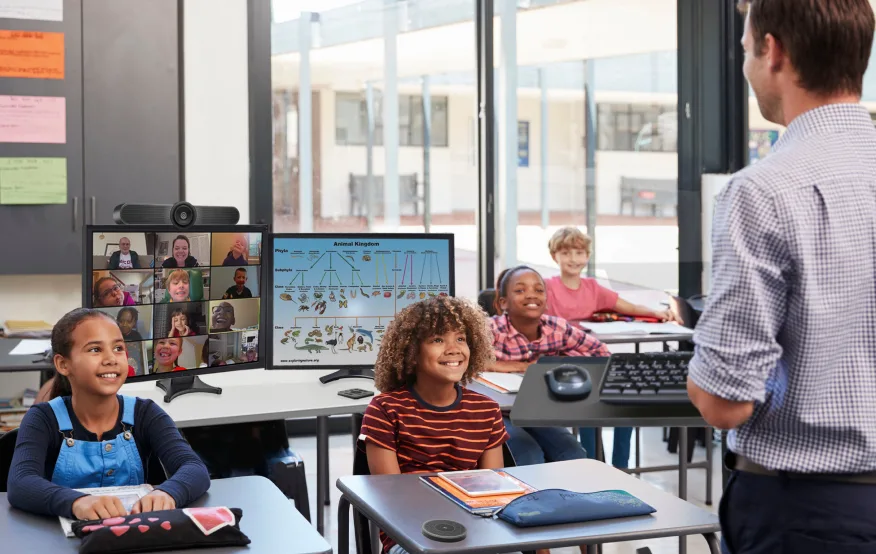
One of the biggest advantages of classroom 30X is improved student engagement. Traditional lectures sometimes struggle to hold students’ attention, especially in a world filled with digital entertainment and constant online interaction. Interactive educational tools make learning more dynamic and enjoyable.
Personalized learning is another major benefit. Every student learns at a different pace, and classroom 30X systems often allow students to progress according to their individual needs. Students who need extra time can review lessons repeatedly, while advanced learners can move ahead more quickly.
Digital learning environments also help improve critical thinking skills. Many educational technologies encourage problem-solving, creativity, and independent learning. Students are often required to research, analyze information, and collaborate with classmates to complete projects and assignments.
Accessibility is another important advantage. Students who cannot attend physical classes due to distance, health conditions, or scheduling challenges can still participate in learning through digital platforms. This creates more inclusive educational opportunities for different groups of learners.
Classroom 30X also helps students develop technological skills that are essential in modern careers. Familiarity with digital tools, online collaboration systems, and virtual communication platforms prepares students for future professional environments.
Advantages of Classroom 30X for Teachers
Teachers also benefit significantly from modern classroom technologies. Classroom 30X provides tools that simplify lesson planning, grading, communication, and classroom management.
One major advantage is efficiency. Digital systems can automate attendance tracking, assignment submissions, and grading processes. This reduces administrative workload and allows teachers to focus more on actual teaching and student support.
Data analytics tools help teachers monitor student performance more effectively. Educational platforms can generate detailed reports showing which students are struggling, which topics need additional explanation, and how students perform over time.
Communication between teachers, students, and parents also improves through digital platforms. Teachers can share updates, assignments, and feedback instantly, creating stronger connections between schools and families.
Creative teaching methods become easier with classroom 30X technologies. Teachers can use videos, animations, online quizzes, and virtual simulations to make lessons more interactive and memorable. This often increases student participation and overall learning effectiveness.
Remote teaching capabilities are another important benefit. During situations where physical attendance is difficult, digital classroom systems allow education to continue without major interruptions.
Key Technologies Behind Classroom 30X
Several technologies play important roles in creating classroom 30X learning environments. Interactive smart boards are among the most common tools used in modern classrooms. These digital displays allow teachers to present multimedia content, write notes digitally, and engage students through interactive activities.
Learning management systems are also essential. These platforms help teachers organize lessons, distribute assignments, and track student progress. Students can access educational materials and communicate with teachers through centralized online systems.
Video conferencing tools have become increasingly popular in education. Platforms for live online classes allow students to participate remotely while still interacting with teachers and classmates in real time.
Artificial intelligence technologies support adaptive learning systems. These systems analyze student performance and customize educational content based on individual learning needs and progress levels.
Gamification tools are another important part of classroom 30X. Educational games, reward systems, and interactive challenges make learning more engaging and motivate students to participate actively.
Cloud storage and digital collaboration platforms also support modern educational systems. Students and teachers can share files, collaborate on projects, and access materials from multiple devices without limitations.
Challenges of Implementing Classroom 30X
Despite its many advantages, implementing classroom 30X systems also comes with challenges. One of the biggest issues is cost. Advanced educational technologies often require significant investment in hardware, software, internet infrastructure, and staff training.
Some schools, especially in developing regions, may struggle to afford modern digital classroom systems. Limited budgets can create gaps between schools with advanced technology and those relying on traditional educational methods.
Teacher training is another important challenge. Not all educators are familiar with advanced digital tools, and some may feel uncomfortable adapting to new teaching methods. Proper training programs are essential for successful implementation.
Internet accessibility can also become a problem. Digital learning environments depend heavily on reliable internet connections, but some students may not have stable access at home. This can create inequality in educational opportunities.
Distraction is another concern in technology-based classrooms. Students using digital devices may become distracted by social media, games, or unrelated online content during learning sessions.
Cybersecurity and data privacy are also important issues. Schools must protect student information and ensure that online learning systems remain secure from cyber threats and unauthorized access.
The Role of Online Learning in Classroom 30X
Online learning has become one of the most influential aspects of modern education. Classroom 30X strongly supports digital learning environments that allow students to study beyond traditional classroom boundaries.
One major benefit of online learning is flexibility. Students can access lessons, assignments, and educational materials at times that fit their schedules. This flexibility supports both independent learners and students with additional responsibilities.
Recorded lectures and digital resources also improve learning accessibility. Students can review lessons multiple times if they struggle to understand certain topics during live sessions.
Global connectivity is another advantage. Online learning platforms allow students to connect with teachers, classmates, and educational experts from different parts of the world. This exposure creates broader learning opportunities and cultural understanding.
Online education also supports lifelong learning. People can continue developing skills and gaining knowledge even after completing formal education. Professional courses, certifications, and online programs have become increasingly popular among adults seeking career growth.
Hybrid learning models are expected to continue growing as well. Many educational institutions now combine physical classroom experiences with digital learning tools to create more flexible and effective educational systems.
Future Trends in Classroom 30X
The future of classroom 30X looks highly promising as educational technology continues evolving rapidly. Artificial intelligence is expected to become even more advanced in personalized learning systems.
Virtual reality and augmented reality may become common features in classrooms. Students could explore historical sites, conduct virtual science experiments, or study complex structures through immersive digital experiences.
Smart classrooms may also become more automated. Voice-controlled systems, AI teaching assistants, and automated lesson management tools could improve classroom efficiency significantly.
Data-driven education will likely become more important as schools use analytics to improve learning outcomes. Teachers may rely more heavily on performance data to customize lesson plans and support student progress.
Sustainability will also influence future classroom designs. Digital learning reduces paper usage and may encourage more environmentally friendly educational practices.
Global collaboration between schools could increase as technology removes geographical barriers. Students from different countries may participate in shared educational projects and virtual exchange programs more frequently.
Conclusion
Classroom 30X represents the future of modern education by combining technology, innovation, and student-centered learning approaches. Traditional teaching methods are evolving rapidly as schools adopt digital tools that improve engagement, accessibility, and learning efficiency.
The integration of smart technologies into education has created new opportunities for both students and teachers. Interactive learning systems, online platforms, artificial intelligence, and collaborative digital tools are transforming how knowledge is shared and understood.
Although challenges such as cost, internet accessibility, and teacher training still exist, the benefits of classroom 30X continue driving educational transformation worldwide. Schools and institutions that embrace digital learning environments are better prepared to meet the demands of modern education.
As technology continues advancing, classroom 30X will likely become even more innovative and effective. Future classrooms may offer highly personalized learning experiences, immersive virtual environments, and stronger global collaboration opportunities.
Education is no longer limited to physical classrooms and printed textbooks. Classroom 30X reflects a new era where learning becomes more flexible, interactive, and connected to the digital world. Students and educators who adapt to these changes will be better equipped for success in the future of education and modern careers.
About the Author