
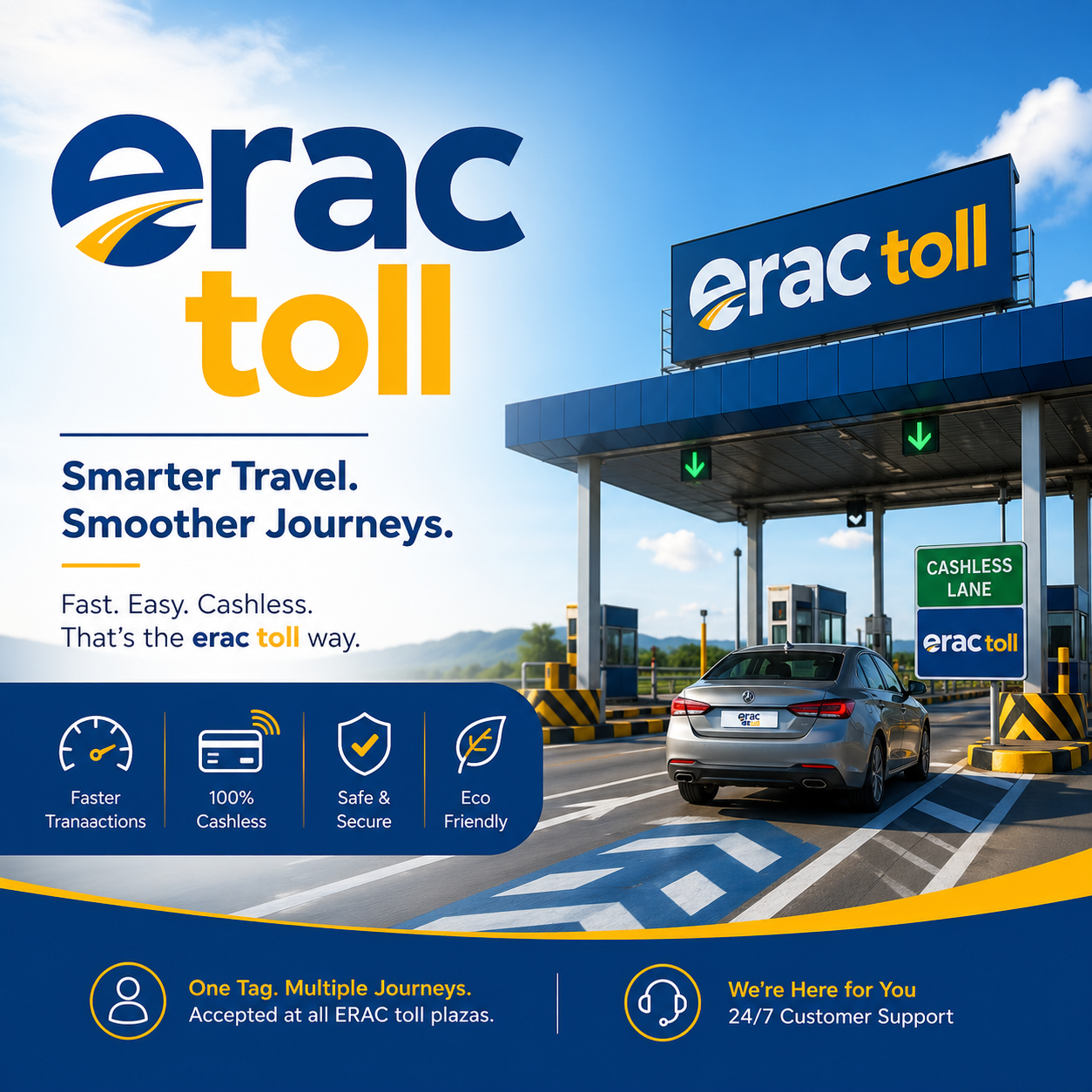
erac toll
The concept of toll systems has evolved significantly over the years, adapting to technological advancements and changing transportation needs. Among the emerging terms in this space, “erac toll” has started to gain attention. Whether you’ve come across it while researching modern toll systems or heard it in discussions about smart transportation, understanding what erac toll means and how it works can be incredibly useful.
This article breaks down everything you need to know about erac toll in a clear, conversational, yet expert-driven way. From its fundamentals to its broader impact, we’ll explore how it fits into the future of transportation and why it matters more than you might think.
What Is Erac Toll and Why Is It Important
At its core, erac toll refers to a modernized tolling approach designed to improve efficiency, reduce congestion, and streamline road usage payments. While traditional toll booths rely on manual collection or basic electronic systems, erac toll systems are often associated with more advanced, automated, and data-driven processes.
One of the key reasons erac toll systems are gaining traction is their ability to minimize traffic delays. Traditional toll plazas often create bottlenecks, especially during peak hours. With erac toll, vehicles can pass through designated lanes without stopping, thanks to technologies like RFID tags, license plate recognition, or digital payment integrations.
Another important aspect is transparency and accountability. Erac toll systems are typically backed by digital records, making it easier for authorities to track usage, manage revenue, and ensure fair pricing. This reduces the chances of human error and corruption, which have historically been concerns in manual toll collection systems.
In a broader sense, erac toll represents a shift toward smarter infrastructure. As cities grow and transportation demands increase, efficient toll systems become essential not just for revenue generation but also for maintaining smooth traffic flow and reducing environmental impact.
How Erac Toll Systems Work in Practice
Understanding how erac toll works requires a look at the technology behind it. Most systems rely on a combination of hardware and software that communicate seamlessly to identify vehicles and process payments automatically.
Typically, vehicles are equipped with a small electronic tag or linked to a digital account. As the vehicle approaches a toll point, sensors detect the tag or capture the license plate number. The system then calculates the toll fee based on predefined criteria such as distance traveled, vehicle type, or time of day.
The payment is deducted automatically from the user’s account, eliminating the need for cash transactions. This not only speeds up the process but also enhances convenience for drivers. There’s no need to stop, search for change, or wait in long lines.
Another key feature is real-time data processing. Erac toll systems can analyze traffic patterns and adjust toll rates dynamically if needed. For example, higher charges during peak hours can help manage congestion, while lower rates during off-peak times encourage smoother traffic distribution.
Security is also a priority. Advanced encryption and secure databases ensure that user information and payment details remain protected. This builds trust among users and encourages wider adoption of the system.
Benefits of Erac Toll for Drivers and Authorities
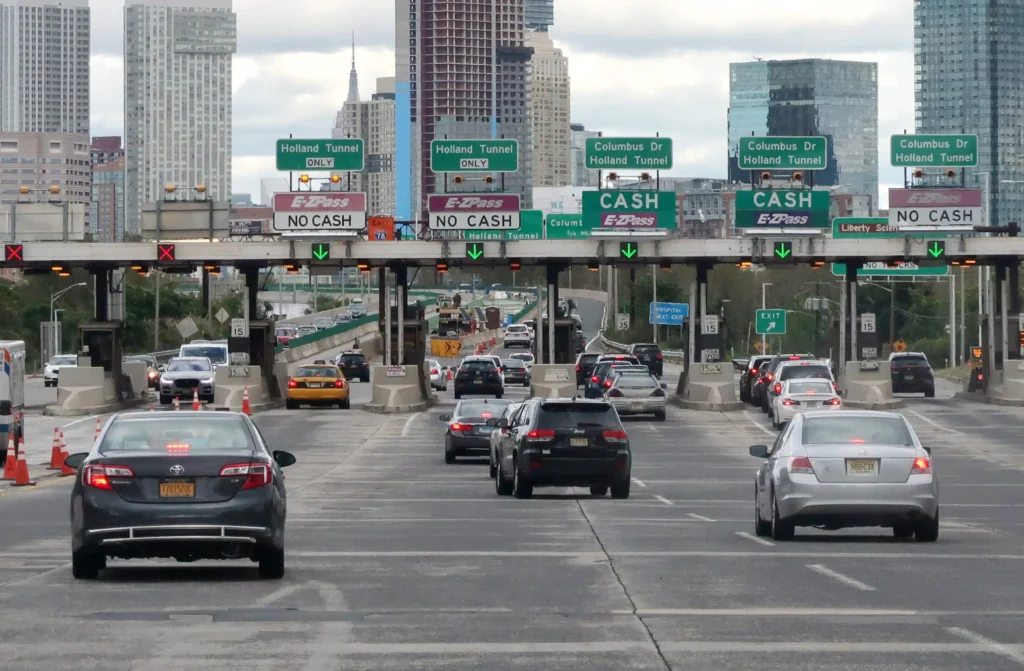
The advantages of erac toll systems extend to both everyday drivers and the organizations managing road infrastructure. For drivers, the most obvious benefit is time savings. The ability to pass through toll points without stopping significantly reduces travel time, especially on busy highways.
Convenience is another major factor. With automated payments, drivers no longer need to carry cash or worry about exact change. Everything is handled digitally, often with the option to track expenses through mobile apps or online dashboards.
From an environmental perspective, erac toll systems contribute to reduced emissions. Idling vehicles at traditional toll booths consume fuel and release pollutants. By enabling continuous movement, these systems help lower the overall carbon footprint of road travel.
For authorities, erac toll systems provide better revenue management. Digital tracking ensures accurate collection and reduces leakage. It also allows for detailed reporting and analysis, helping decision-makers plan infrastructure improvements more effectively.
Additionally, the data collected can be used to optimize traffic flow, identify problem areas, and implement targeted solutions. This makes erac toll not just a payment system, but a valuable tool for urban planning and transportation management.
Challenges and Limitations of Erac Toll Systems
Despite their many advantages, erac toll systems are not without challenges. One of the primary concerns is the initial cost of implementation. Setting up the necessary infrastructure, including sensors, cameras, and backend systems, can require significant investment.
Another issue is accessibility. Not all drivers may have access to the required technology, such as electronic tags or digital payment methods. This can create barriers for certain groups, particularly in regions where digital adoption is still growing.
Privacy concerns also come into play. Since erac toll systems rely on tracking vehicle movements, some users may feel uneasy about how their data is collected and used. Ensuring strict data protection policies is essential to address these concerns.
Technical glitches can also occur. System errors, incorrect charges, or connectivity issues may lead to inconvenience for users. However, ongoing improvements in technology are helping to minimize these problems over time.
Lastly, there is the challenge of public awareness. For erac toll systems to be successful, users need to understand how they work and trust their reliability. This requires effective communication and user-friendly interfaces.
The Future of Erac Toll in Smart Transportation
Looking ahead, erac toll systems are likely to play a crucial role in the development of smart cities. As transportation networks become more interconnected, the need for efficient and intelligent tolling solutions will only grow.
One emerging trend is the integration of erac toll systems with other mobility services. For example, toll payments could be combined with parking fees, public transport fares, and even ride-sharing services into a single platform. This would create a seamless travel experience for users.
Another exciting development is the use of artificial intelligence and machine learning. These technologies can analyze vast amounts of data to predict traffic patterns, optimize toll pricing, and improve overall system performance.
The rise of electric and autonomous vehicles also opens new possibilities. Erac toll systems can be adapted to support these technologies, offering incentives for eco-friendly vehicles or enabling fully automated payment processes for self-driving cars.
Global adoption is also on the rise. Many countries are transitioning from traditional toll systems to more advanced solutions, recognizing the long-term benefits in terms of efficiency, sustainability, and user satisfaction.
Tips for Using Erac Toll Systems Effectively
If you’re planning to use an erac toll system, there are a few practical tips to keep in mind. First, make sure your vehicle is properly registered and linked to your account. This ensures smooth operation and avoids unnecessary penalties.
Keep your account funded or connected to a reliable payment method. Automated systems depend on timely payments, and insufficient balance can lead to fines or restricted access.
Regularly check your transaction history. Most systems provide detailed records, allowing you to monitor your usage and identify any discrepancies. If you notice any issues, report them promptly to the relevant authorities.
Stay updated with system changes or new features. As technology evolves, erac toll systems may introduce updates that enhance functionality or improve user experience.
Finally, follow lane guidelines and instructions at toll points. Even with automated systems, proper driving behavior is essential to ensure safety and efficiency.
Conclusion
Erac toll represents a significant step forward in the evolution of road infrastructure and transportation systems. By combining advanced technology with user-focused design, it addresses many of the limitations of traditional tolling methods.
From reducing traffic congestion to improving revenue management and supporting environmental goals, the benefits are clear. While challenges remain, ongoing advancements and increasing adoption are paving the way for a more efficient and connected future.
As drivers and cities continue to embrace smarter solutions, erac toll systems are set to become an integral part of modern transportation. Understanding how they work and how to use them effectively can help you make the most of this innovative approach to road travel.
You May Also Read
About the Author