
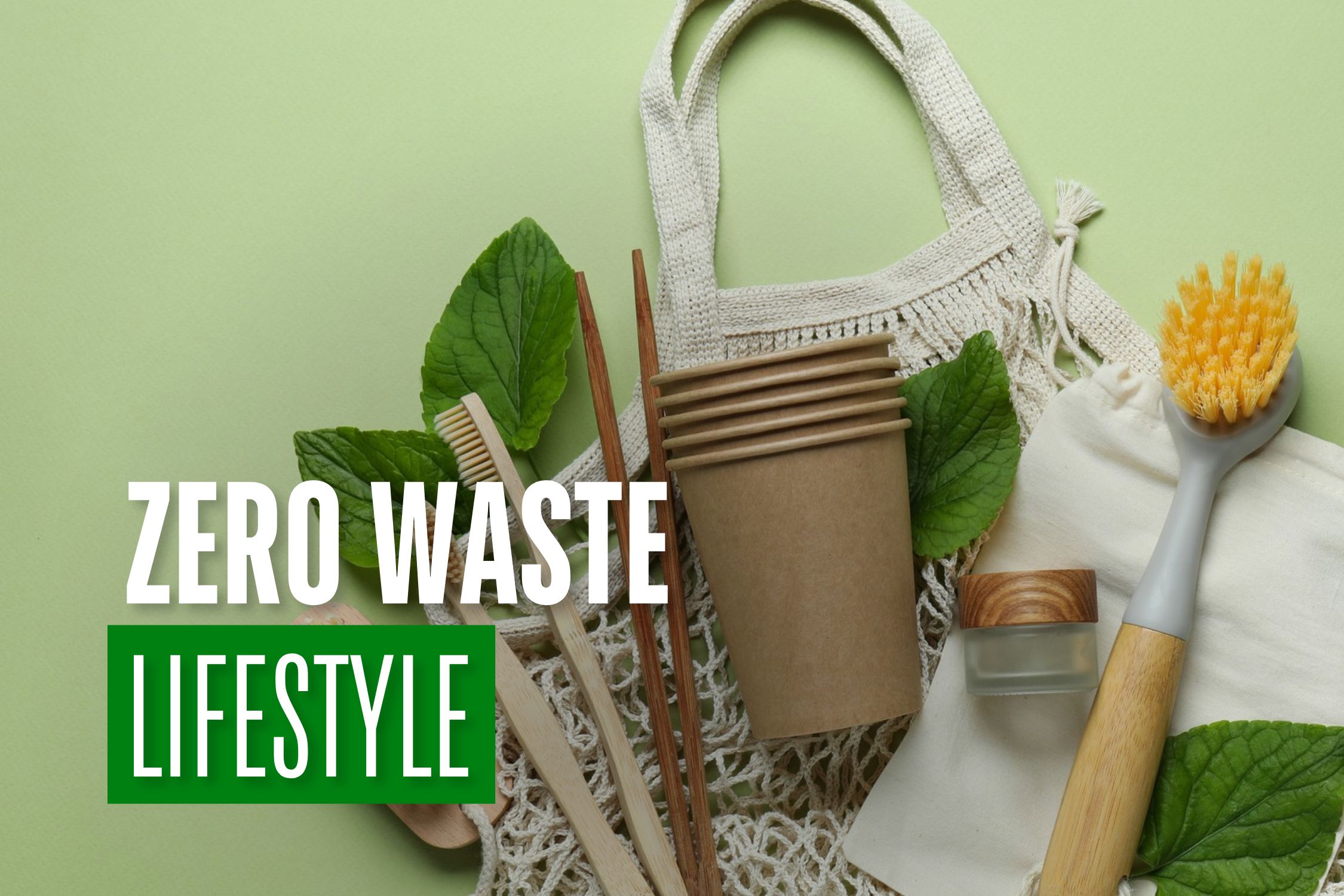
Zero Waste Lifestyle
What Is a Zero Waste Lifestyle?
The concept of a zero waste lifestyle has gained significant attention in recent years as more people become aware of environmental challenges. At its core, a zero waste lifestyle is about reducing the amount of trash you produce and minimizing your impact on the planet. The goal is simple in theory: send as little waste as possible to landfills or incinerators.
In practice, however, a zero waste lifestyle is not about achieving absolute perfection. It is more about making conscious choices that reduce waste over time. People who follow this lifestyle aim to rethink their consumption habits, focusing on sustainability, reuse, and mindful purchasing. Instead of relying on single-use items, they look for long-term alternatives that are better for both the environment and their health.
Another important aspect of a zero waste lifestyle is awareness. It encourages individuals to think about where products come from, how they are packaged, and what happens to them after use. This shift in mindset is what makes the lifestyle impactful, even if someone is only able to make small changes at first.
The Core Principles of Zero Waste Living
A zero waste lifestyle is often built around five simple principles: refuse, reduce, reuse, recycle, and rot. These principles provide a clear framework for making everyday decisions that align with sustainability goals. Each step plays a role in minimizing waste and promoting responsible consumption.
The first principle, refuse, involves saying no to things you do not need. This could include avoiding plastic bags, unnecessary packaging, or promotional items. By refusing these items, you prevent waste from entering your life in the first place. The next step, reduce, focuses on cutting down what you do use, such as limiting purchases and choosing quality over quantity.
Reuse is about finding ways to use items multiple times instead of discarding them after one use. This could involve using reusable containers, cloth bags, or repairing items instead of replacing them. Recycling comes next, but it is important to remember that recycling is not a perfect solution. It still requires energy and resources, which is why it comes after reducing and reusing. Finally, rot refers to composting organic waste, turning food scraps into valuable nutrients for the soil.
Why a Zero Waste Lifestyle Matters
Adopting a zero waste lifestyle is not just a personal choice; it has broader environmental implications. One of the biggest issues facing the planet today is the overwhelming amount of waste generated by human activity. Landfills are filling up quickly, and plastic pollution is harming ecosystems around the world.
A zero waste lifestyle helps address these issues by reducing the demand for disposable products. When fewer people rely on single-use items, companies are encouraged to produce more sustainable alternatives. This creates a ripple effect that can lead to significant environmental improvements over time.
Another important benefit is the reduction of resource consumption. Producing goods requires raw materials, energy, and water. By minimizing waste, individuals also reduce the need for these resources. This makes a zero waste lifestyle not only environmentally friendly but also resource-efficient.
Getting Started with a Zero Waste Lifestyle
Starting a zero waste lifestyle can feel overwhelming at first, but it does not have to be. The key is to begin with small, manageable changes. For example, switching to reusable shopping bags or carrying a refillable water bottle can make a noticeable difference.
It is also helpful to assess your current habits. Take a look at your daily routine and identify areas where waste is generated. This could include food packaging, disposable utensils, or excessive paper use. Once you recognize these patterns, you can start replacing them with more sustainable alternatives.
Another practical tip is to avoid trying to change everything at once. A zero waste lifestyle is a journey, not a quick fix. By focusing on one area at a time, you can build sustainable habits that last. Over time, these small changes add up and create a meaningful impact.
Zero Waste in the Kitchen
The kitchen is one of the most common places where waste is generated, making it a great starting point for adopting a zero waste lifestyle. Food packaging, leftovers, and disposable items all contribute to household waste. By making a few adjustments, you can significantly reduce your kitchen waste.
One effective strategy is to buy food in bulk. This reduces packaging and often saves money. Bringing your own containers or bags when shopping can further minimize waste. Additionally, planning meals in advance helps reduce food waste by ensuring that you only buy what you need.
Composting is another important practice in a zero waste kitchen. Food scraps such as fruit peels, vegetable trimmings, and coffee grounds can be turned into compost instead of being thrown away. This not only reduces waste but also creates nutrient-rich soil for gardening.
Sustainable Shopping Habits
Shopping habits play a major role in a zero waste lifestyle. Every purchase has an environmental impact, from production to disposal. By making more conscious choices, you can reduce waste and support sustainable practices.
One approach is to prioritize quality over quantity. Investing in durable, long-lasting products reduces the need for frequent replacements. This applies to clothing, household items, and even electronics. Choosing items made from sustainable materials is another way to minimize environmental impact.
Avoiding excessive packaging is also important. Look for products with minimal or recyclable packaging, or consider buying from local markets where items are often sold without packaging. These small decisions contribute to a more sustainable lifestyle and align with zero waste principles.

Challenges of Living Zero Waste
While a zero waste lifestyle offers many benefits, it is not without challenges. One of the biggest obstacles is convenience. Many modern systems are designed around disposable products, making it difficult to avoid waste entirely.
Another challenge is accessibility. Not everyone has access to bulk stores, composting facilities, or sustainable products. This can make it harder to fully adopt a zero waste lifestyle. However, even small changes can still make a difference.
Social and cultural factors can also play a role. Friends and family may not always understand or support your efforts, and it can be challenging to maintain sustainable habits in social settings. Despite these challenges, persistence and flexibility are key to long-term success.
The Financial Side of Zero Waste
A common misconception is that a zero waste lifestyle is expensive. While some sustainable products may have a higher upfront cost, they often save money in the long run. Reusable items, for example, eliminate the need for repeated purchases.
Reducing consumption also leads to financial savings. By buying fewer items and focusing on essentials, you can cut down on unnecessary expenses. This makes a zero waste lifestyle not only environmentally friendly but also budget-friendly.
Additionally, practices like repairing items, buying second-hand, and composting can further reduce costs. These habits align with the principles of sustainability while also benefiting your finances.
Long-Term Impact of a Zero Waste Lifestyle
The long-term impact of a zero waste lifestyle extends beyond individual households. When more people adopt sustainable habits, it creates a collective movement that influences businesses and policies. Companies begin to prioritize eco-friendly practices, and governments may implement regulations to reduce waste.
On a personal level, living zero waste can lead to a more mindful and intentional way of life. It encourages you to focus on what truly matters and avoid unnecessary consumption. This shift often brings a sense of satisfaction and purpose.
Over time, the cumulative effect of small changes can be significant. Even if achieving complete zero waste is not possible, every effort contributes to a healthier planet and a more sustainable future.
Conclusion
A zero waste lifestyle is about more than just reducing trash; it is about rethinking how we live and consume. By adopting simple principles and making conscious choices, anyone can move toward a more sustainable way of life.
While challenges exist, the benefits of a zero waste lifestyle are clear. It helps protect the environment, conserve resources, and promote mindful living. Most importantly, it shows that individual actions can make a difference.
Whether you start with small steps or make major changes, the journey toward zero waste is worth it. With consistency and awareness, you can create a positive impact that extends far beyond your own daily life.
You May Also Read
Understanding AST Hudbillja Odds
About the Author