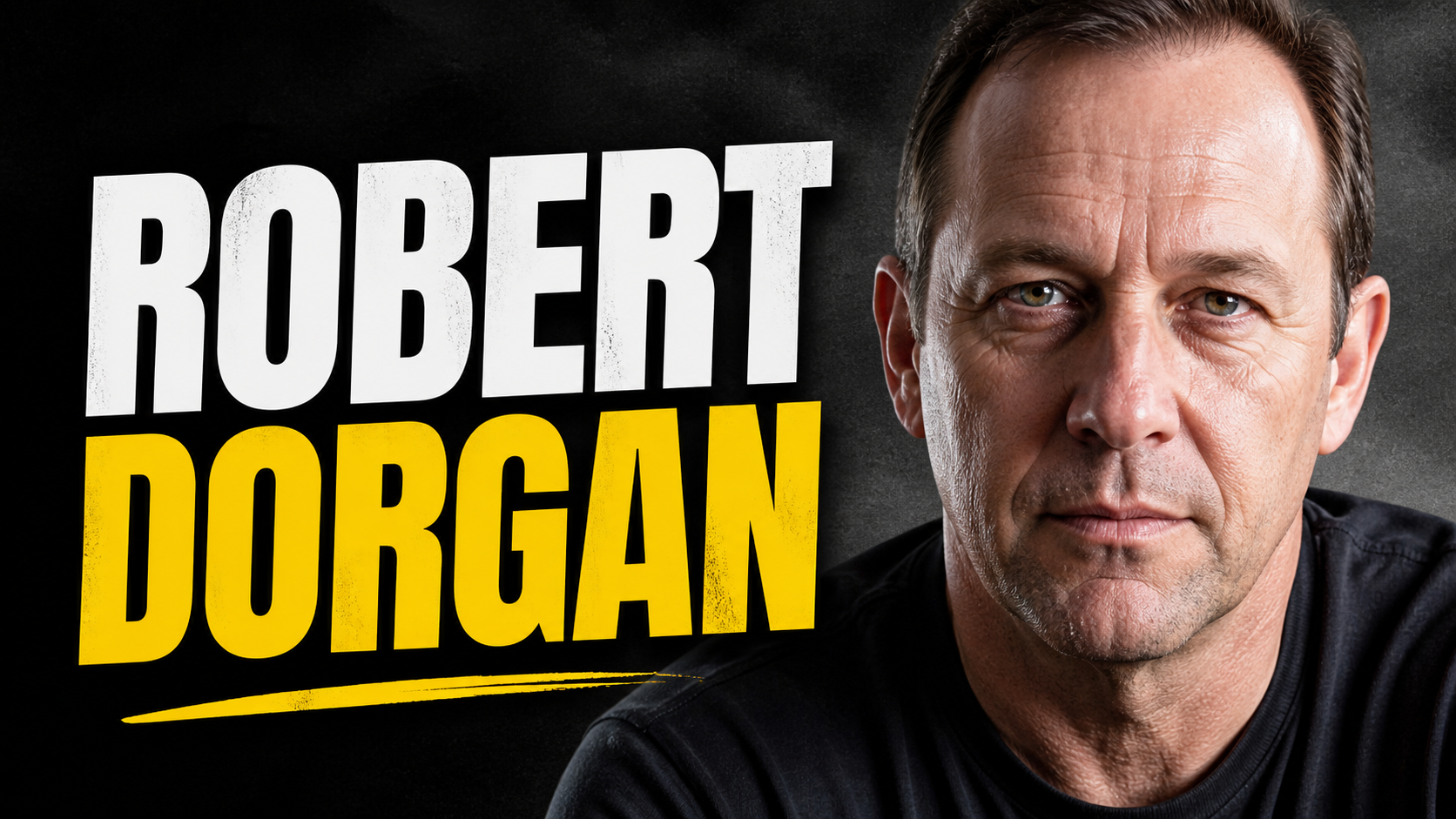
When people search for “robert dorgan,” they are often looking to learn more about a public figure who made a meaningful impact in American politics. Robert Dorgan is best known for his time as a U.S. Congressman, where he built a reputation as a strong communicator, media-savvy leader, and influential voice in public affairs.
Robert Dorgan’s career is particularly interesting because it blends traditional politics with media presence. Unlike many politicians who stay strictly within legislative roles, Dorgan expanded his influence through television and public commentary, making him a recognizable figure beyond Capitol Hill.
In this article, we’ll explore Robert Dorgan’s early life, political career, communication style, achievements, and long-term influence. By the end, you’ll have a clear and well-rounded understanding of why his name continues to be searched and discussed.
Early Life and Educational Background
To understand Robert Dorgan’s journey, it’s important to begin with his early life. He was born in North Dakota, a state known for its strong sense of community and political engagement. Growing up in this environment helped shape his interest in public service and civic responsibility.
From a young age, Dorgan showed an interest in communication and leadership. These qualities would later define his career. His upbringing emphasized hard work, education, and involvement in community affairs—values that stayed with him throughout his life.
He pursued higher education with a focus on communication and public policy. This academic background gave him the tools to effectively express ideas, connect with audiences, and navigate the complexities of political life. It also set the stage for his future success in both politics and media.
Entry into Politics
Robert Dorgan’s entry into politics was driven by a desire to represent his community and make a difference at the national level. He began his political career at a time when American politics was becoming increasingly influenced by media and public perception.
He was elected to the United States House of Representatives, where he served as a representative for North Dakota. His election marked the beginning of a career that would span several terms and leave a lasting impact.
During his early years in Congress, Dorgan focused on issues that mattered to his constituents, including economic development, agriculture, and public welfare. His ability to communicate clearly and passionately helped him gain support and establish credibility.
Political Career and Achievements
Throughout his time in Congress, Robert Dorgan became known for his energetic speaking style and ability to connect with audiences. He was not just a policymaker—he was a communicator who understood the importance of engaging the public.
He worked on a variety of legislative issues, often advocating for policies that supported working families and rural communities. His efforts reflected his commitment to representing the needs of his state while contributing to national discussions.
One of the defining aspects of his career was his willingness to address complex topics in a straightforward manner. This approach made him accessible to a wide audience and helped him stand out among his peers.
Communication Style and Media Presence

A key factor in Robert Dorgan’s popularity was his communication style. He had a natural ability to explain political issues in a way that was both engaging and easy to understand. This skill made him a frequent presence on television and in public discussions.
Unlike many politicians who rely heavily on formal speeches, Dorgan’s style was more conversational. He spoke directly to the audience, often using relatable examples to make his points. This approach helped him build a strong connection with viewers.
His media presence extended beyond traditional political settings. He became a recognizable figure on news programs and public forums, where he shared insights on current events and policy issues. This visibility contributed to his lasting influence.
Transition from Politics to Media
After leaving Congress, Robert Dorgan continued to stay active in public life through media and commentary. This transition allowed him to reach a broader audience and remain involved in discussions about national issues.
He hosted television programs and participated in political analysis, using his experience to provide context and perspective. This phase of his career demonstrated his versatility and ability to adapt to new roles.
The move into media also highlighted the evolving nature of political careers. Dorgan’s ability to shift from policymaking to public commentary showed how skills developed in one area can be applied in another.
Personal Life and Character
While Robert Dorgan is primarily known for his professional achievements, his personal life also played a role in shaping his public image. He was often described as approachable, dedicated, and passionate about his work.
His connection to his home state remained strong throughout his career. Even while serving at the national level, he maintained close ties to his community, reflecting his commitment to the people he represented.
These personal qualities contributed to his reputation as a relatable and trustworthy figure. They also helped him maintain support and respect from both colleagues and constituents.
Influence on Modern Political Communication
Robert Dorgan’s approach to communication has had a lasting impact on how politicians engage with the public. His emphasis on clarity, relatability, and directness set a standard that many modern politicians continue to follow.
In an era where media plays a central role in politics, his ability to connect with audiences through television and public speaking was ahead of its time. He understood that effective communication is just as important as policy expertise.
This influence can still be seen today in the way political figures use media to share their message. Dorgan’s career serves as an early example of how communication skills can enhance political effectiveness.
Legacy and Public Recognition
Robert Dorgan’s legacy is defined by his contributions to both politics and media. He is remembered as a dynamic speaker, a dedicated public servant, and a pioneer in political communication.
His work in Congress and beyond has left a lasting impression on those who followed his career. He demonstrated that it is possible to combine policy work with effective public engagement, creating a more informed and connected audience.
Even years after his time in office, his name continues to be recognized and searched. This ongoing interest reflects the impact he had and the relevance of his approach to communication and leadership.
Why People Still Search for Robert Dorgan
The continued interest in “robert dorgan” can be attributed to several factors. First, his unique blend of politics and media makes him a noteworthy figure in American history.
Second, his communication style remains relevant in today’s political landscape. People looking for examples of effective public speaking often find his work worth studying.
Finally, his career offers valuable lessons about adaptability, leadership, and the importance of connecting with an audience. These qualities ensure that his story continues to resonate with new generations.
Final Thoughts on Robert Dorgan
In conclusion, Robert Dorgan is a figure whose career goes beyond traditional politics. His journey from a North Dakota upbringing to national recognition highlights the power of communication, dedication, and adaptability.
His impact is not limited to the policies he supported but extends to the way he engaged with the public. By making complex issues accessible and relatable, he set an example for future leaders.
For anyone interested in politics, media, or leadership, Robert Dorgan’s story offers valuable insights. It shows that success is not just about holding a position—it’s about how you connect with people and make your voice heard.
You May Also Read
About the Author