George Kittle Injury
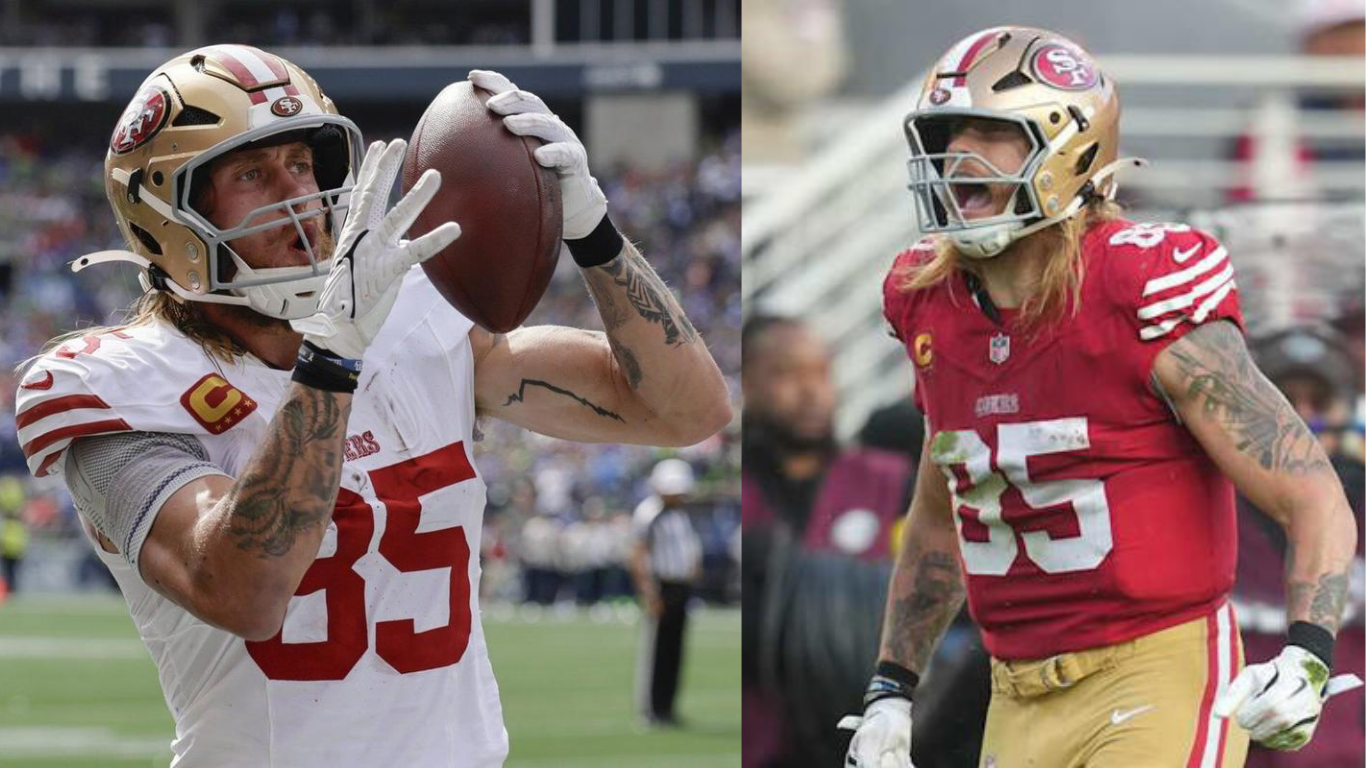
Few players in the National Football League bring as much intensity, versatility, and personality to the field as George Kittle. Known for his explosive plays and physical blocking style, Kittle has established himself as one of the best tight ends in football. However, alongside his success, injuries have also played a recurring role in his career.
The topic “George Kittle injury” has become a frequent search term among fans, analysts, and fantasy football players. From minor setbacks to more serious concerns, his health has often influenced not just his performance but also the fortunes of his team, the San Francisco 49ers.
In this article, we’ll take a deep dive into George Kittle’s injury history, how it has affected his career, his recovery process, and what it means for his future in the NFL.
Early Career and Physical Playing Style
From the moment George Kittle entered the NFL, it was clear that he wasn’t a typical tight end. Drafted in 2017, he quickly made a name for himself with his aggressive playing style and unmatched energy on the field.
Kittle’s approach to the game is rooted in physicality. He doesn’t just catch passes—he fights for every yard and dominates in blocking situations. This all-around style makes him incredibly valuable, but it also increases the risk of injury.
Because of this, discussions about George Kittle injury often tie directly to how he plays the game. His fearless attitude is part of what makes him great, but it also exposes him to more contact than many other players at his position.
Overview of George Kittle Injury History
When analyzing George Kittle injury trends, it’s important to look at the full picture rather than focusing on a single incident. Over the years, he has dealt with a variety of physical issues.
Some of the most notable injuries include knee problems, ankle sprains, and foot-related concerns. These injuries have occasionally forced him to miss games or play at less than 100 percent.
Despite these setbacks, Kittle has shown remarkable resilience. Each time he faces a George Kittle injury situation, he works his way back and continues to perform at an elite level.
The Impact of Injuries on Performance
One of the most discussed aspects of any George Kittle injury is how it affects his performance on the field. When healthy, Kittle is a game-changer who can dominate both as a receiver and a blocker.
However, injuries can limit his explosiveness and endurance. Even minor issues can impact his ability to make sharp cuts or maintain top speed, which are crucial for his role in the offense.
That said, Kittle has a reputation for playing through pain. Even when dealing with a George Kittle injury, he often finds ways to contribute, showcasing his toughness and commitment to the team.
Recovery Process and Rehabilitation
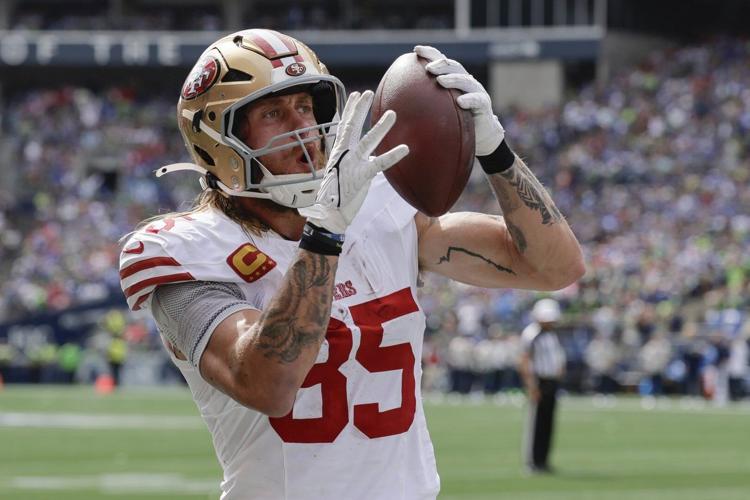
Recovering from a George Kittle injury is not just about physical healing—it also involves mental strength and discipline. Rehabilitation programs are tailored to ensure that he returns to peak performance without risking further damage.
These programs often include strength training, flexibility exercises, and gradual reintroduction to on-field activities. The goal is to rebuild confidence while ensuring full recovery.
Kittle’s dedication to rehab is one of the reasons he has been able to bounce back repeatedly. His work ethic plays a huge role in overcoming each George Kittle injury challenge.
Role of Medical Staff and Team Support
Behind every successful recovery is a strong support system. The San Francisco 49ers medical staff plays a crucial role in managing George Kittle injury situations.
From initial diagnosis to ongoing treatment, the team ensures that every step is handled with precision. This includes monitoring his workload and making strategic decisions about when he should return to play.
Team support also extends beyond medical care. Coaches and teammates provide encouragement and adjust game plans to accommodate his recovery, ensuring that he can ease back into action.
George Kittle Injury and Team Performance
The impact of a George Kittle injury goes beyond the individual—it affects the entire team. As a key offensive player, his absence can change the dynamics of the game.
Kittle’s ability to block and catch passes makes him a dual threat. Without him, the offense may struggle to maintain the same level of efficiency and versatility.
This is why every George Kittle injury update is closely watched by fans and analysts. His health is directly linked to the success of the San Francisco 49ers.
Comparisons with Other Tight Ends
When discussing George Kittle injury concerns, it’s interesting to compare him with other top tight ends in the National Football League.
Some players adopt a more conservative style, which may reduce injury risk but also limits their overall impact. Kittle, on the other hand, embraces a high-risk, high-reward approach.
This difference highlights a key trade-off in professional sports. While Kittle’s style may lead to more frequent injury discussions, it also makes him one of the most exciting players to watch.
Fan Reactions and Media Coverage
The topic of George Kittle injury often generates strong reactions from fans and media alike. Supporters worry about his health and hope for a quick recovery, while analysts examine the potential impact on upcoming games.
Media coverage tends to focus on timelines and recovery updates, providing insights into when he might return to the field. This constant attention reflects his importance to the sport.
Fans also play a role in shaping the narrative. Social media discussions about George Kittle injury often highlight his toughness and determination, reinforcing his reputation as a resilient athlete.
Preventing Future Injuries
Preventing future George Kittle injury scenarios is a priority for both the player and the team. This involves a combination of training, conditioning, and strategic gameplay adjustments.
Strength and conditioning programs are designed to improve durability and reduce the risk of injury. These programs focus on building muscle strength, flexibility, and overall fitness.
Game strategy also plays a role. Coaches may adjust how Kittle is used in certain situations to minimize unnecessary risk while still maximizing his impact.
Long-Term Outlook for George Kittle
Looking ahead, the long-term outlook for George Kittle remains positive. While injuries are part of any athlete’s career, his ability to recover and perform at a high level is a promising sign.
As he continues to adapt his training and playing style, he may find ways to reduce the frequency of injuries without sacrificing effectiveness.
The conversation around George Kittle injury will likely continue, but it will also be balanced by his achievements and contributions to the game.
Final Thoughts on George Kittle Injury
The story of George Kittle injury is not just about setbacks—it’s about resilience, determination, and excellence. Every challenge he faces adds to his legacy as one of the toughest players in the National Football League.
His journey highlights the physical demands of professional football and the importance of proper care and recovery. It also shows how a player can overcome obstacles and continue to thrive.
In the end, George Kittle’s career is defined not by injuries, but by how he responds to them. And if his track record is any indication, he will continue to rise above every challenge that comes his way.
You May Also Read
About the Author