iphone air
Introduction to iPhone Air Concept
The idea of the iPhone Air represents a fresh direction in smartphone design where portability, elegance, and performance are blended into a single ultra-light device. While Apple has not officially released a product with this exact name, the “Air” concept has always been associated with slimness and efficiency. So when people talk about the iPhone Air, they usually imagine a next-generation iPhone that feels almost weightless in the hand but still delivers flagship-level performance.
In today’s smartphone market, users are increasingly looking for devices that are not just powerful but also comfortable for everyday use. Heavy phones with bulky frames and oversized batteries can sometimes feel tiring during long usage. The iPhone Air concept aims to solve that problem by focusing on a minimal, ultra-thin design without sacrificing speed or usability.
This article explores what an iPhone Air could look like if it were real, including its design philosophy, performance expectations, camera capabilities, and overall user experience. Think of it as a modern interpretation of what the future of lightweight smartphones could be.
Design Philosophy and Build Quality
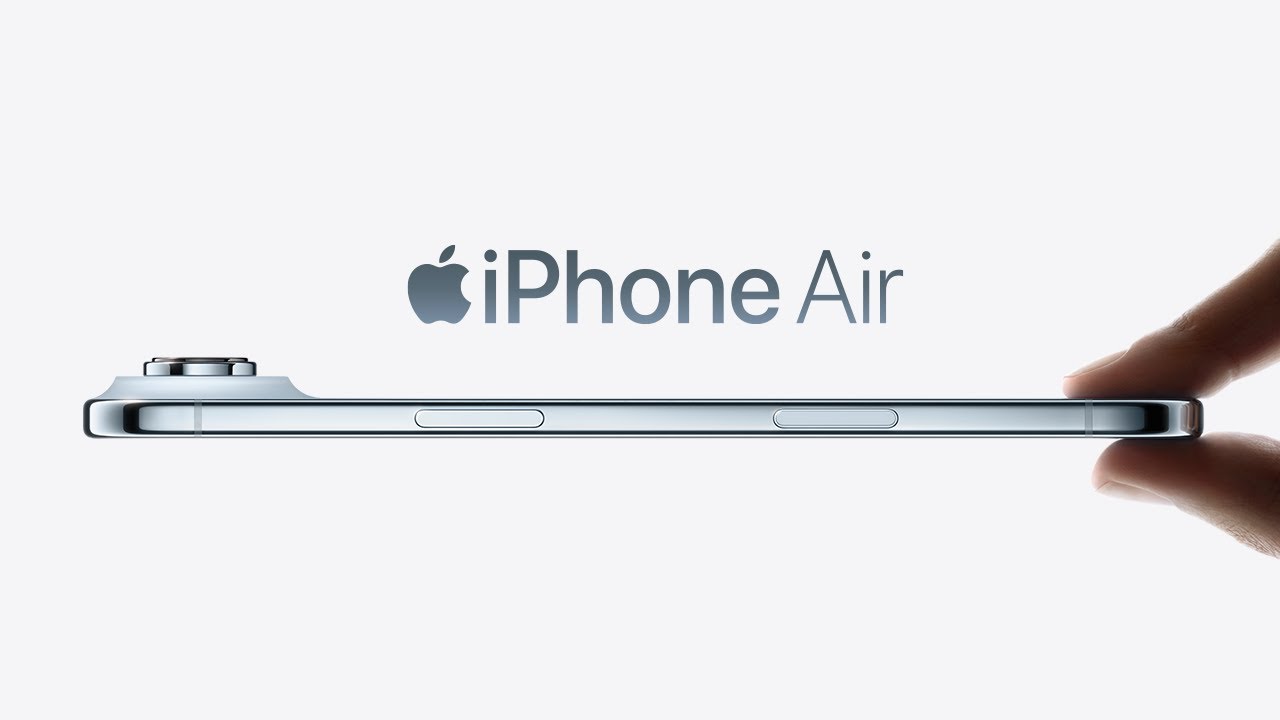
The most defining feature of the iPhone Air concept is its design. It is imagined as one of the thinnest and lightest smartphones ever created, built with aerospace-grade aluminum or titanium alloy to ensure durability while keeping weight extremely low. The idea is to make the phone feel almost invisible in your pocket.
The edges would likely be refined and smooth, with slightly curved corners to improve grip comfort. Apple has always focused on precision engineering, and the iPhone Air would push that even further by reducing unnecessary thickness while maintaining structural strength. Even with a slim body, the phone would still feel premium and solid.
Another key aspect of the design would be simplicity. The iPhone Air would likely remove unnecessary visual clutter, focusing on a clean back panel with a minimal camera bump. The goal would be to create a device that looks modern and elegant while staying practical for everyday use.
Display Experience and Visual Quality
The display on the iPhone Air would be one of its strongest features. It would likely feature a high-resolution OLED or even advanced micro-OLED panel, offering deep blacks, vibrant colors, and excellent brightness levels. Even though the device is lightweight, the display quality would remain flagship-level.
Users would expect a smooth refresh rate, possibly 120Hz or higher, making scrolling, gaming, and video playback extremely fluid. This would enhance the overall user experience, especially for those who consume a lot of media on their phones. The screen would also be designed to reduce eye strain during long usage sessions.
Another important aspect is durability. The display would likely include reinforced glass protection to resist scratches and minor drops. Even though the phone is designed to be ultra-thin, it would still need to survive daily wear and tear, and Apple’s engineering approach would ensure a balance between beauty and toughness.
Performance and Processing Power
Even though the iPhone Air focuses on slim design, it would not compromise on performance. It would likely be powered by a next-generation Apple silicon chip, optimized for both speed and energy efficiency. This would allow the device to handle multitasking, gaming, and professional applications smoothly.
One of the biggest challenges in thin devices is heat management, but the iPhone Air concept would likely include advanced thermal control systems. These could involve improved internal architecture, heat-dispersing materials, and optimized software performance to ensure the phone does not overheat during heavy use.
The result would be a device that feels fast and responsive in every situation. Whether you are editing videos, playing high-end games, or switching between multiple apps, the iPhone Air would be designed to keep up without lag or performance drops.
Camera System and Photography Capabilities
The camera system on the iPhone Air would likely focus on quality over quantity. Instead of packing multiple unnecessary lenses, it would probably feature a dual or triple-camera system optimized for real-world photography. The goal would be to deliver sharp, natural-looking images in all lighting conditions.
Low-light performance would be a major focus. With advanced computational photography, the iPhone Air could capture detailed night shots without excessive noise or blur. This would make it ideal for users who enjoy mobile photography in different environments.
Video recording would also be a strong point. The device would likely support high-resolution video capture with advanced stabilization, making it suitable for content creators and casual users alike. Even in a lightweight design, the camera system would aim to deliver professional-level results.
Battery Life and Charging Efficiency

One of the biggest concerns with ultra-thin phones is battery capacity, and the iPhone Air concept would need to address this carefully. Instead of relying solely on large battery size, it would focus on energy efficiency through optimized hardware and software integration.
The processor would be designed to consume less power while maintaining high performance. Combined with intelligent battery management, this would allow the device to last a full day under normal usage conditions, even with a slim form factor.
Fast charging and wireless charging would also be expected features. The idea is not just to make the phone last longer, but also to ensure it charges quickly and conveniently. This balance would be essential for maintaining a practical user experience.
Software Experience and Ecosystem Integration
The iPhone Air would likely run on the latest version of iOS, offering a smooth, intuitive, and secure user experience. Apple’s software ecosystem is one of its biggest strengths, and the iPhone Air would benefit from seamless integration with other Apple devices.
Features like AirDrop, iCloud synchronization, and cross-device continuity would make it easy for users to switch between their iPhone, Mac, iPad, and Apple Watch. This interconnected experience is what makes Apple devices stand out in the market.
The software would also be optimized for performance efficiency, ensuring that even a lightweight device feels powerful and responsive. Regular updates would continue to improve security and functionality over time, making the device reliable in the long run.
Target Audience and Market Position
The iPhone Air concept would likely target users who value portability and design elegance over raw hardware size. It would appeal to professionals, students, and minimalists who want a powerful phone that does not feel heavy or bulky.
It could also attract users who prefer a more comfortable one-hand experience. As smartphones continue to grow in size, many people are looking for alternatives that are easier to carry and use daily. The iPhone Air would fill that gap perfectly.
In terms of market positioning, it would sit between standard iPhone models and premium Pro versions. It would not be the most powerful device in the lineup, but it would offer a balanced mix of performance, design, and usability.
Final Thoughts on the iPhone Air Concept
The iPhone Air represents an interesting vision of what future smartphones could look like. It focuses on reducing weight and thickness without sacrificing essential features like performance, camera quality, and software experience.
While it remains a conceptual idea rather than an official product, it reflects the growing demand for sleek, lightweight, and efficient mobile devices. Users today want technology that fits naturally into their lifestyle without feeling bulky or complicated.
If a device like the iPhone Air ever becomes reality, it could redefine expectations for smartphone design and push the industry toward even more refined and minimalistic innovation.
You May Also Read
About the Author