
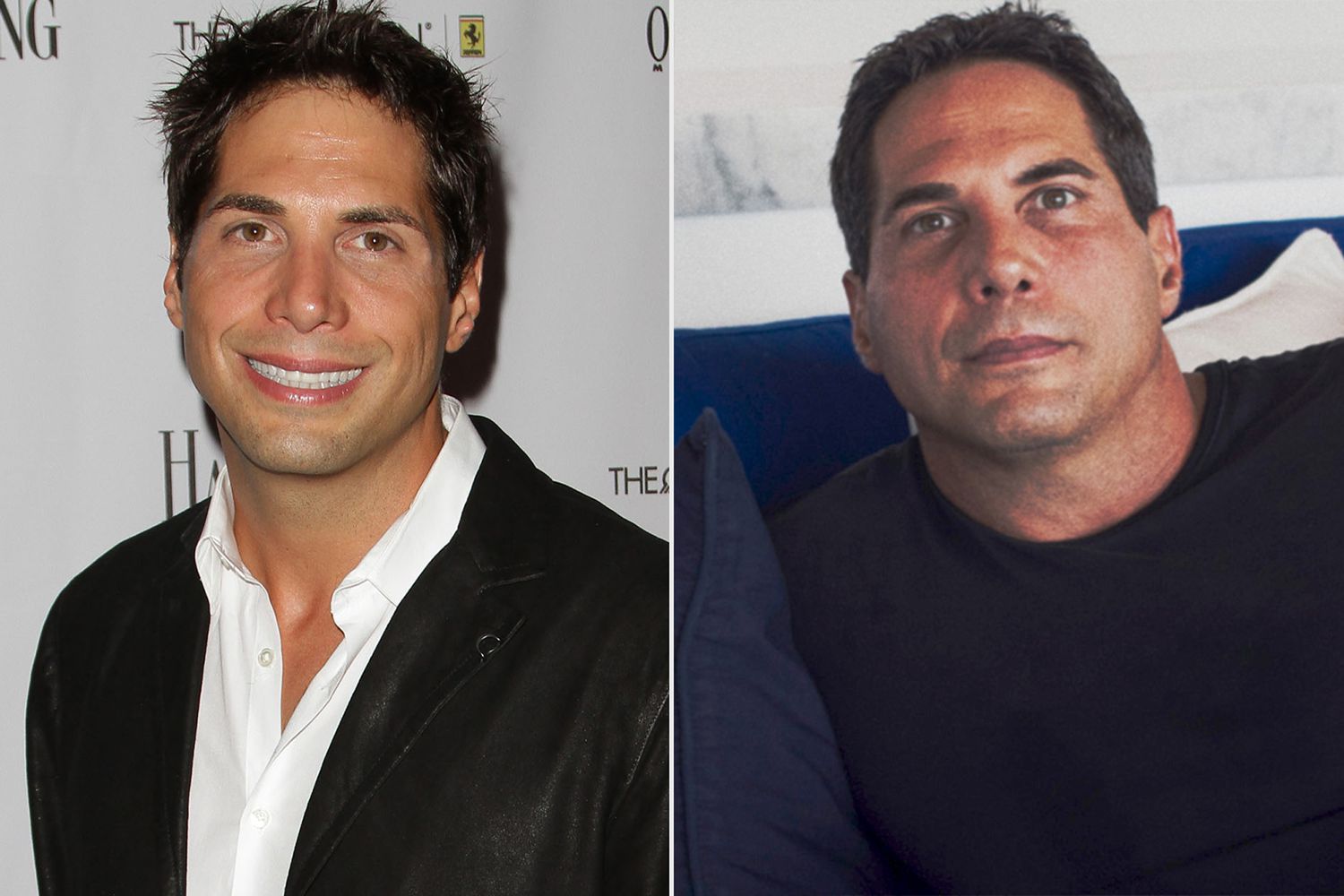
Joe Francis
Early Life and Education
Joe Francis was born on April 1, 1973, in Atlanta, Georgia, and later grew up in California. From a young age, he was exposed to both business and media culture, which would later shape his career path. His father, Raymond Francis, was a successful businessman, and this environment helped Joe develop an early understanding of entrepreneurship and opportunity. Growing up in a comfortable household gave him access to good schools and opportunities that many aspiring entrepreneurs do not experience.
Francis attended several schools during his youth and eventually enrolled at the University of Southern California (USC). At USC, he studied business administration and became Joe Francis increasingly interested in media production and entertainment. The university environment also exposed him to the fast-paced culture of Los Angeles, where entertainment and marketing often intersect. These experiences would later inspire him to pursue unconventional ideas in the entertainment industry.
During his time in college, Francis showed a strong interest in video production and media trends. He began observing what types of content attracted viewers and how the entertainment industry packaged and sold media. This curiosity played a key role in shaping his later ventures, especially the concept that would eventually make him famous—and controversial—around the world.
The Creation of Girls Gone Wild
Joe Francis became widely known as the creator of the “Girls Gone Wild” video series, which emerged in the late 1990s. The idea reportedly developed after Francis worked as a production assistant on a television show that aired unusual and shocking video clips. Observing the popularity of edgy content, he realized there was a market for adult-themed entertainment that focused on party culture and spontaneous behavior.
The “Girls Gone Wild” concept revolved around filming college-aged women during spring break parties and nightlife events. These videos typically featured participants engaging in Joe Francis provocative behavior, often encouraged by the production crew. The footage was then compiled into DVDs and heavily marketed through late-night television advertisements. At the time, this marketing approach proved extremely effective.
The brand quickly became a massive commercial success. In the early 2000s, the videos generated millions of dollars in revenue and gained widespread recognition. For a while, the company behind the brand seemed unstoppable. However, the same content that made the brand famous also brought intense criticism and legal scrutiny.
Business Success and Marketing Joe Francis Strategy

One reason for Joe Francis rapid rise in the entertainment industry was his aggressive marketing strategy. Rather than relying on traditional distribution methods, he focused on direct-to-consumer sales through television infomercials. Late-night advertisements promoted the videos using flashy visuals, energetic music, and limited-time offers that encouraged viewers to make quick purchases.
Francis also understood the power of branding. The “Girls Gone Wild” name itself became a cultural catchphrase in the early 2000s. The brand expanded beyond DVDs into merchandise, clothing, and even special events. By turning the concept into a recognizable lifestyle brand, Francis built a business empire that generated substantial profits.
Another element of his strategy was targeting specific environments where his content could be created easily. College spring break destinations, nightlife districts, and party festivals became primary filming locations. These locations naturally attracted crowds interested in fun and excitement, which made it easier for production teams to capture spontaneous footage.
Legal Controversies and Joe Francis Public Criticism
Despite his financial success, Joe Francis became widely known for the numerous legal controversies surrounding his business. Critics argued that the production methods used in the videos sometimes crossed ethical or legal boundaries. Several lawsuits and criminal investigations were launched over the years related to issues such as consent, age verification, and participant treatment.
One of the most widely discussed legal challenges involved allegations that some individuals featured in the videos were under the legal age required for such content. This led to Joe Francis serious legal consequences, including charges and financial settlements. These controversies significantly damaged Francis’s public reputation and drew widespread media attention.
In addition to legal battles, Francis also faced criticism from activists and social commentators who believed the content exploited young women. Debates about media ethics, Joe Francis consent, and responsibility Joe Francis became closely linked with the brand. As a result, Francis often appeared in headlines not only as a businessman but also as a controversial figure within the entertainment industry.
Life in the Public Eye
Because of his business success and controversies, Joe Francis frequently appeared in tabloids and celebrity news. He became associated with the Hollywood party scene and maintained friendships with several well-known public figures. This lifestyle further increased media interest in his personal life and activities.
Francis often presented himself as a bold entrepreneur who was simply providing entertainment that audiences wanted. In interviews, he defended his business model and argued that participants appeared voluntarily in his videos. However, critics remained skeptical, and the public debate surrounding his work continued for many years.
As social media and digital platforms grew, public attitudes toward media ethics evolved. Content that once seemed shocking but acceptable in certain contexts began to face more scrutiny. This shift in cultural expectations further complicated Francis’s public image and business operations.
Business Decline and Changing Joe Francis Media Landscape
The rise of the internet dramatically changed the adult entertainment industry. When “Girls Gone Wild” first gained popularity, DVDs and television Joe Francis advertising were powerful distribution channels. However, the growth of free online video platforms made it harder for companies relying on physical Joe Francis media sales to maintain their revenue.
As consumers increasingly turned to online content, the demand for traditional DVD-based entertainment declined. This shift affected many media companies, including those Joe Francis producing adult-themed content. The brand that once generated millions in sales struggled to adapt to the rapidly evolving digital environment.
At the same time, the legal and financial challenges surrounding the company continued to grow. Lawsuits, settlements, and operational costs placed additional pressure on the business. Eventually, these issues contributed to the decline of the once highly profitable brand.
Legacy and Cultural Impact
Joe Francis remains a controversial figure in modern entertainment history. On one hand, he demonstrated how bold marketing strategies and unconventional ideas could create a hugely successful business. His ability to identify a niche market and aggressively promote it showed strong entrepreneurial instincts.
On the other hand, his career also serves as an example of how legal and ethical concerns can significantly impact a business. The controversies surrounding his work Joe Francis sparked conversations Joe Francis about consent, responsibility in media production, and the treatment of participants in entertainment content.
Today, the story of Joe Francis is often discussed in the context of media ethics, marketing innovation, and the rise and fall of controversial entertainment brands. Whether viewed as a clever entrepreneur or a polarizing figure, his impact on early 2000s pop culture is undeniable.
Conclusion
The story of Joe Francis is both fascinating and complex. He built a multimillion-dollar brand from a simple idea, demonstrating the power of marketing and audience demand. At the same time, his career became overshadowed by legal battles and ethical debates that raised serious questions about the entertainment industry.
Over time, changing technology and shifting cultural attitudes reshaped the landscape in which his business once thrived. The rise of digital platforms and increased scrutiny of media Joe Francis practices made it difficult for the brand to maintain its earlier success.
Ultimately, Joe Francis’s journey highlights both the opportunities and the risks that come with pushing boundaries in business and entertainment. His story continues to be studied as an example of how innovation, controversy, and public perception can intersect in powerful ways.
You May Also Read
About the Author